
Autonomous Vehicle Industry Faces Growing Pains as Safety Concerns Mount
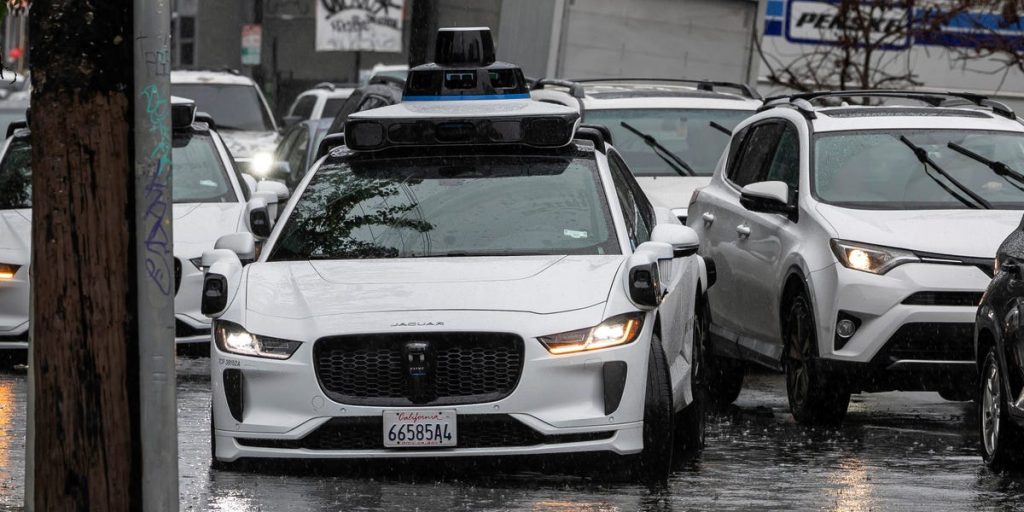
The autonomous vehicle sector is experiencing significant turbulence as leading companies grapple with mounting safety concerns and regulatory scrutiny. What we’re witnessing is a critical inflection point that will determine whether self-driving technology can truly deliver on its promises or if we’re headed for a prolonged period of setbacks.
I believe the current challenges facing autonomous vehicle companies are actually healthy growing pains for an industry that has been overly optimistic about deployment timelines. The reality is that achieving truly safe autonomous driving is exponentially more complex than many tech executives initially predicted, and we’re now seeing the consequences of that miscalculation.
Technical Hurdles Remain Substantial
The fundamental issue isn’t just about perfecting the technology—it’s about building public trust while navigating an increasingly complex regulatory landscape. For investors and industry stakeholders, this represents both significant risk and opportunity. Those who can weather the current storm and continue investing in robust safety systems will likely emerge as long-term winners.
What concerns me most is how these setbacks might impact public perception of autonomous vehicles broadly. Consumer acceptance is crucial for widespread adoption, and every high-profile incident chips away at that fragile trust. This is particularly problematic for an industry that needs massive scale to achieve profitability.
Market Implications and Stakeholder Impact
For everyday consumers, these developments should serve as a reminder that fully autonomous vehicles remain years away from mainstream deployment. Anyone expecting to purchase a truly self-driving car in the next few years will likely be disappointed. The technology simply isn’t ready for widespread consumer use, despite what marketing materials might suggest.
However, I see significant value for specific use cases and controlled environments. Fleet operators, logistics companies, and ride-sharing services operating in well-mapped urban areas could still benefit from limited autonomous capabilities. The key is managing expectations and focusing on gradual, safety-first deployment rather than rushing to market.
Regulatory Response and Industry Adaptation
The regulatory response to recent incidents will likely accelerate, and frankly, this is overdue. We need stricter oversight and more rigorous testing standards before these vehicles operate alongside human drivers. Companies that embrace transparency and work collaboratively with regulators will fare better than those that resist oversight.
What doesn’t matter as much as some analysts suggest is the short-term stock price volatility. The autonomous vehicle market will eventually mature, but it will take longer than initially projected. Patient investors who focus on companies with strong safety records and realistic timelines will likely see better returns than those chasing quick profits in this space.
The bottom line is that autonomous vehicle technology will transform transportation, but not on the aggressive timelines many companies have promised. For now, the industry needs to prioritize safety over speed to market, even if that means disappointing investors in the short term.