
The Minimum Training Required for Hybrid Fitness Competitions: A Reality Check
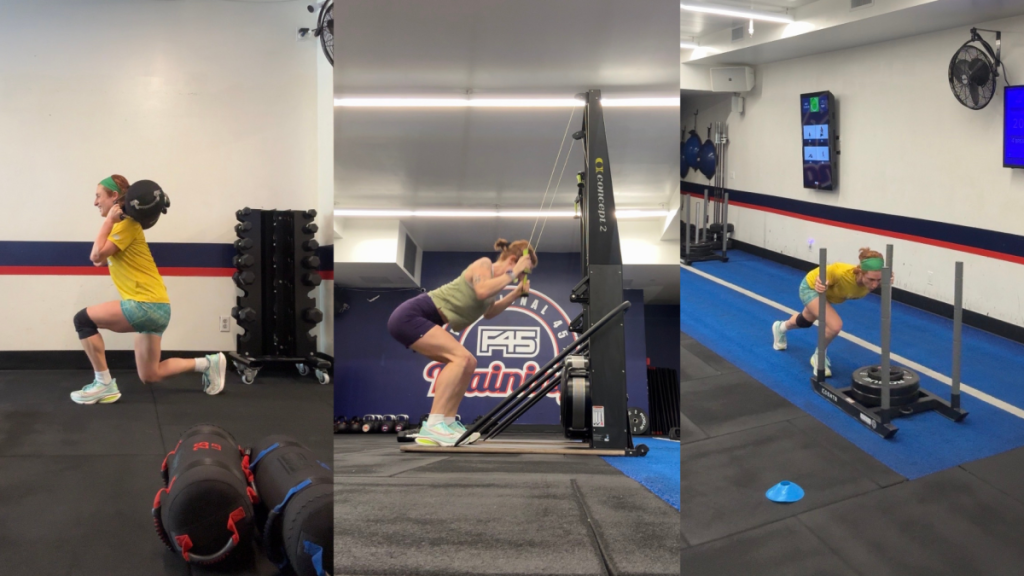
Hybrid fitness competitions have exploded in popularity, combining endurance running with functional strength challenges. These events typically feature eight rounds of one-kilometer runs interspersed with workout stations including sled pushes, rowing, burpee broad jumps, walking lunges, and wall balls. While the concept sounds straightforward, the reality of performing strength movements on already fatigued legs creates a uniquely challenging experience that demands specific preparation.
I believe these competitions represent the future of fitness events because they test real-world athleticism rather than specialized skills. However, many participants underestimate the training commitment required, leading to disappointing performances and potential injuries.
Understanding the Training Timeline
According to fitness professionals specializing in hybrid training, serious competitors should dedicate 12-16 weeks to proper preparation. This timeframe allows athletes to build an adequate running base, develop muscular endurance across all movement patterns, and minimize injury risk through progressive overload.
In my opinion, this timeline is non-negotiable for anyone seeking competitive results. The 12-week minimum isn’t arbitrary—it reflects the physiological adaptations needed to handle the unique demands of transitioning between cardiovascular and strength challenges repeatedly.
However, recreational participants with existing fitness backgrounds can potentially complete these events with less preparation, though they should adjust their performance expectations accordingly.
The Running Foundation Reality
Here’s what many people don’t understand: these are fundamentally running competitions with strength interruptions, not strength competitions with running breaks. The cardiovascular component consumes the majority of race time and typically determines finishing positions.
Athletes should confidently handle an eight-kilometer run before attempting competition. Better yet, ten-kilometer running capacity provides the endurance buffer necessary for the additional metabolic demands of the strength stations.
This is where I see most participants fail. They focus heavily on perfecting sled pushes and wall ball technique while neglecting their aerobic base. The result? They hit a cardiovascular wall around the fourth or fifth round, turning the remaining competition into a survival exercise rather than a performance.
Studio Classes vs. Dedicated Training
Many gyms now offer hybrid-style classes that simulate competition formats. These sessions effectively build general fitness and familiarize participants with movement patterns, but they cannot replace structured training programs.
Studio classes work best for recreational participants who supplement with independent running training. If you’re attending classes twice weekly but not running outside those sessions, you’re setting yourself up for a difficult race experience.
I think this approach appeals to people seeking convenience over optimal preparation. While understandable, it’s important to acknowledge the limitations and adjust goals accordingly.
The Minimum Viable Training
What’s the absolute minimum preparation for completion rather than competition? Participants with running or strength training backgrounds can theoretically finish these events, though they may need to walk portions and take extended recovery periods.
The bare minimum requirements include:
- Ability to run eight kilometers without severe fatigue
- Familiarity with all movement patterns to ensure safe execution
- Understanding of pacing strategies to avoid early burnout
However, I believe this minimum approach is suitable only for individuals who prioritize participation over performance and accept the likelihood of a challenging experience.
Smart Tapering Strategies
One critical mistake involves last-minute training cramming. When athletes realize they’re underprepared, the instinct is to maximize training right up to competition day. This approach typically backfires, leaving participants fatigued rather than fresh.
Effective tapering timelines vary based on training volume:
- Seven days: Optimal for most recreational athletes
- Four to five days: Acceptable if training volume was moderate
- Two to three days: Minimum viable recovery period
The goal should be maintaining movement patterns and confidence while allowing physical recovery. Short 20-30 minute sessions with moderate intensity work better than complete rest or high-volume training.
Team Competition Advantages
Doubles competitions offer strategic advantages for less-prepared athletes. Partners can divide workload based on individual strengths, with stronger runners handling more distance and strength-focused athletes tackling heavier stations.
This format particularly benefits athletes with complementary skill sets. However, success requires pre-competition planning regarding station splits and transition strategies. Attempting to negotiate these decisions mid-competition with elevated heart rates and fatigued muscles rarely works well.
Who Should Consider These Events
These competitions suit athletes who enjoy varied challenges and possess solid general fitness foundations. They’re particularly appealing to individuals seeking alternatives to traditional road races or pure strength competitions.
However, they’re not ideal for specialists who excel in single disciplines but lack cross-training experience. Pure powerlifters may struggle with the running demands, while distance runners often find the strength components challenging.
The sweet spot includes CrossFit athletes, military personnel, and recreational fitness enthusiasts with balanced training backgrounds.
Setting Realistic Expectations
The biggest mistake involves unrealistic goal setting. Participants who train minimally shouldn’t expect competitive times or smooth race experiences. Instead, focus on completion, learning, and enjoying the unique challenge.
I believe these events offer valuable lessons about fitness gaps and training priorities. Even a difficult race experience provides insights for future preparation and highlights areas requiring attention.
For optimal results, commit to proper preparation timelines or adjust expectations accordingly. The middle ground—inadequate training combined with high performance expectations—typically leads to frustration and potential injury.