
Transforming Dark Basement Spaces: How Strategic Lighting Creates the Illusion of Natural Sunlight
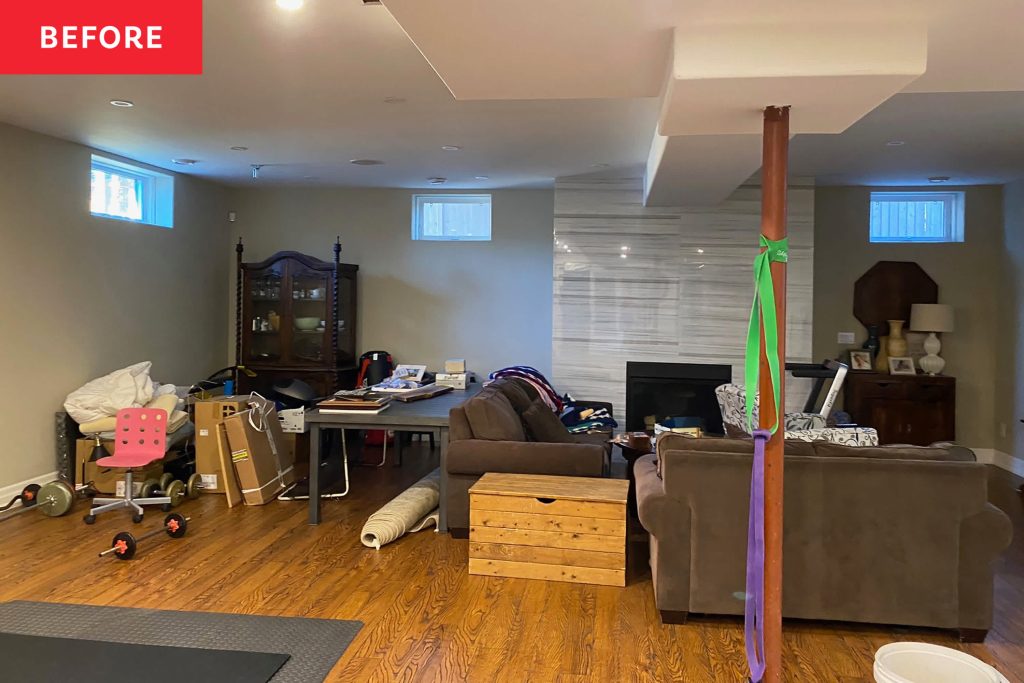
Converting a dim, unwelcoming basement into a bright, livable space might seem like an impossible task, but I’ve seen firsthand how the right lighting strategy can work absolute wonders. The transformation I’m discussing today proves that even the most challenging underground rooms can be turned into spaces that feel naturally illuminated and genuinely inviting.
What strikes me most about this particular renovation is how the homeowners didn’t rely on expensive structural changes or costly window installations. Instead, they focused entirely on lighting design—and honestly, this approach makes perfect sense for most homeowners dealing with similar challenges.
The Power of Layered Artificial Lighting
The secret lies in understanding how natural sunlight actually behaves and then recreating those qualities artificially. I believe this is where many basement renovations go wrong—people simply install a few overhead fixtures and call it done. That’s not how you create the warm, dynamic feel of genuine daylight.
The successful transformation involved multiple light sources working together at different levels. Recessed ceiling lights provided general illumination, while strategically placed table lamps and floor lamps added warmth and depth. What I find particularly clever is how they incorporated LED strips behind furniture and architectural elements to create that soft, ambient glow that mimics how sunlight bounces around a naturally lit room.
Who This Approach Works Best For
This lighting-focused renovation strategy is ideal for homeowners who want maximum impact without major construction. If you’re working with a limited budget or live in a rental property where structural changes aren’t possible, this approach could be your best bet. I also think it’s perfect for DIY enthusiasts who enjoy hands-on projects but aren’t ready to tackle major electrical or structural work.
However, I wouldn’t recommend this approach for everyone. If your basement has serious moisture issues or structural problems, no amount of creative lighting will solve those underlying concerns. You need to address the fundamentals first.
Color Temperature Makes All the Difference
One aspect that really impressed me about this renovation was the careful attention to color temperature. The homeowners chose bulbs that closely match natural daylight—typically around 5000K to 6500K—rather than the harsh, cold white that many people associate with basement lighting.
This detail matters more than most people realize. Warm white bulbs (2700K-3000K) can make a basement feel cozy but won’t create that bright, energetic atmosphere of natural sunlight. Cool white bulbs (4000K-5000K) get closer, but I believe the daylight range really delivers that crisp, clean feeling that transforms how a space feels.
Strategic Placement and Timing
What sets this renovation apart is how the lighting was designed to change throughout the day, just like natural light would. Smart switches and dimmer controls allow the homeowners to adjust brightness levels and even color temperature as evening approaches. I think this dynamic quality is what truly sells the illusion of natural light.
The placement of light sources also deserves recognition. Rather than relying solely on overhead fixtures, they positioned lights at various heights and angles to eliminate harsh shadows and create even illumination. This layered approach is something I’d strongly recommend to anyone attempting a similar transformation.
Who Should Consider This Investment
This type of renovation makes the most sense for families who actually plan to use their basement regularly. If you’re looking to create a home office, family room, or entertainment space, the investment in quality lighting pays dividends in comfort and usability.
On the other hand, if your basement primarily serves as storage or you rarely spend time there, I’d question whether this level of lighting investment makes financial sense. The costs can add up quickly when you factor in quality fixtures, smart controls, and professional installation.
From my perspective, the most important takeaway is that artificial lighting technology has advanced to the point where we can genuinely replicate many qualities of natural sunlight. While nothing completely replaces actual windows and daylight, these techniques can create basement spaces that feel surprisingly bright and welcoming—something that seemed impossible just a few years ago.