
Pocket-Sized Linux Computer Promises True Open Hardware Freedom
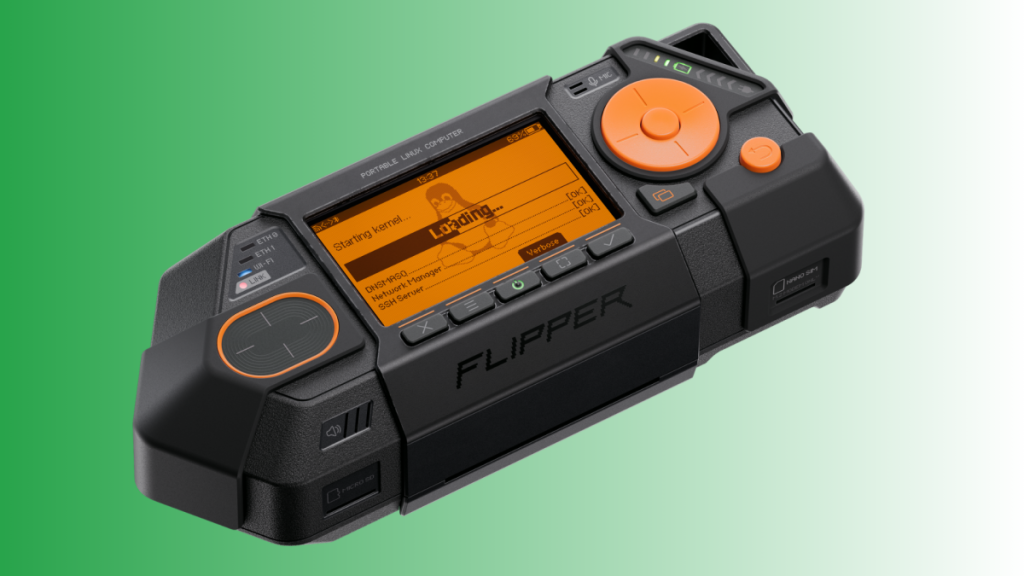
The cybersecurity tool manufacturer behind the controversial penetration testing device has unveiled plans for a revolutionary pocket-sized Linux computer. This new ARM-based mini-PC represents a bold step toward creating genuinely open hardware that won’t become obsolete overnight. Built around the Rockchip RK3576 processor, the device aims to deliver high-performance computing, advanced networking capabilities, and local artificial intelligence processing in a remarkably compact form factor.
What excites me most about this development is the commitment to true openness. In an era where manufacturers increasingly lock down their hardware and software, seeing a company double down on community-driven development feels refreshing. The modular design philosophy means users won’t be stuck with whatever the manufacturer initially provides – they can expand and modify the system to meet their specific needs.
Technical Capabilities That Actually Matter
The networking features alone make this device compelling for professionals. With Ethernet, WiFi 6E, and optional 5G connectivity, it transforms into a sophisticated network analysis platform. I believe this combination will prove invaluable for IT professionals who need portable debugging capabilities without carrying bulky equipment.
The on-device AI acceleration particularly stands out in today’s privacy-conscious environment. While everyone else pushes cloud-based solutions, having local AI processing means your data never leaves your device. This approach benefits anyone concerned about privacy or working in environments where internet connectivity is unreliable or prohibited.
Real-time wireless traffic analysis rounds out the professional toolkit, enabling comprehensive network monitoring and security assessment capabilities that typically require expensive specialized equipment.
Who Benefits and Who Doesn’t
Network administrators and cybersecurity professionals will find immediate value here. The device essentially puts enterprise-grade tools in your pocket, which could revolutionize how field work gets done. I think this audience will appreciate having a single device that replaces multiple specialized tools.
Tech enthusiasts and hobbyists represent another key demographic. The open development model means the community will likely push this device far beyond its original specifications. For tinkerers who enjoy experimenting with hardware and software, this platform offers unlimited potential.
However, casual users probably won’t find much value here. The learning curve will be steep, and the capabilities far exceed what most people need. If you’re looking for a simple media player or basic computer, traditional options make more sense.
Creative Applications Beyond Professional Use
The versatility opens up interesting possibilities that extend beyond professional applications. Gaming enthusiasts could leverage the processing power for retro console emulation, creating a portable gaming system that fits in their pocket. The ARM architecture should handle classic gaming systems with ease.
Home automation enthusiasts might use it as a central hub, running ad-blocking software for their entire network or serving as a private media server. The combination of processing power and connectivity options makes it ideal for these always-on applications.
Privacy advocates will appreciate the local AI capabilities for experimenting with language models without sending data to external servers. In my opinion, this represents the future of personal AI – keeping your interactions completely private.
Perhaps most intriguingly, the device could serve as an educational tool for understanding our increasingly connected world. We’re surrounded by invisible wireless signals and network traffic that most people never consider. This platform provides a window into that hidden digital ecosystem, which I believe could be eye-opening for many users.
The community-driven development approach means the final product will likely exceed initial expectations. When passionate users can contribute directly to hardware and software development, innovation accelerates dramatically. This collaborative model has proven successful with the company’s previous products, and I expect even greater results with a more powerful platform.