
Young Designer’s Meteoric Rise: From Fashion School to Celebrity Clientele
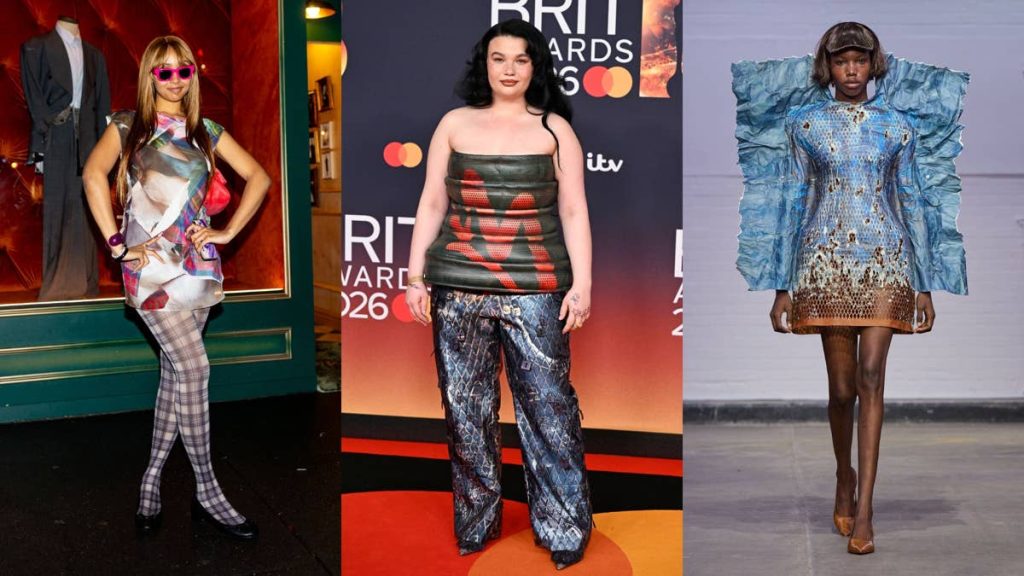
The fashion industry has always been notorious for its steep learning curve and years-long apprenticeships before designers see any real recognition. Yet occasionally, someone like Macy Grimshaw emerges to completely shatter those traditional expectations. At just 25, this Central Saint Martins graduate has already achieved what many seasoned designers spend decades pursuing.
What strikes me most about Grimshaw’s trajectory is how she essentially bypassed the conventional fashion industry ladder entirely. While her classmates were likely focused on theoretical projects and portfolio development, she was already creating custom pieces for high-profile celebrities and landing features in major fashion publications. This isn’t just impressive – it’s revolutionary for how we think about fashion career paths.
The Power of Strategic Partnerships
Grimshaw’s rapid ascent can be largely attributed to her collaboration with celebrity stylist Harry Lambert, who discovered her talent early in her master’s program. This partnership opened doors that would typically remain closed to emerging designers for years. Lambert commissioned her for projects ranging from editorial shoots to commercial collections, including a four-piece line sold at Selfridges.
I believe this highlights something crucial about today’s fashion landscape: talent alone isn’t enough. Strategic networking and the right partnerships can accelerate careers in ways that traditional pathways simply cannot match. For young designers, Grimshaw’s story demonstrates the importance of building relationships within the industry ecosystem.
The Celebrity Custom Market
What’s particularly fascinating about Grimshaw’s approach is her focus on bespoke, conversation-starting pieces. Her designs incorporate unconventional materials – transforming everyday objects like cigarettes and pencil shavings into high-fashion statements. This isn’t just creative expression; it’s smart business positioning.
The celebrity custom market is incredibly lucrative, but it’s also extremely demanding. These clients need pieces that photograph well, make statements, and often serve specific narrative purposes for their public appearances. Grimshaw’s ability to deliver on these requirements while still maintaining her artistic vision is remarkable for someone so early in their career.
The Challenges of Skipping Steps
However, Grimshaw’s unconventional path hasn’t been without its challenges. She openly admits to struggling with pricing her work appropriately – a common issue for emerging designers who lack business training. This vulnerability is refreshing and highlights a critical gap in fashion education.
Her confession about ‘accidentally losing money’ on projects resonates with many creative professionals who excel at their craft but struggle with the business side. This is where I think fashion schools need to do better – technical skills are only half the equation in building a sustainable creative career.
The Exposure vs. Payment Dilemma
Grimshaw’s acknowledgment that exposure sometimes counts as compensation reveals the complex economics facing emerging designers. While working with high-profile clients provides invaluable portfolio pieces and industry connections, it can also establish dangerous precedents around undervaluing creative work.
For young designers reading this, Grimshaw’s experience offers both inspiration and caution. The opportunities are real, but so is the need to establish fair compensation practices early in your career.
What This Means for the Industry
Grimshaw’s story reflects broader shifts in how fashion careers can develop in our digital age. Social media visibility, celebrity culture, and the demand for unique, Instagram-worthy pieces have created new pathways to success that didn’t exist even a decade ago.
This is particularly relevant for designers who work well under pressure and can deliver highly creative, one-off pieces quickly. However, it’s less applicable to those interested in traditional ready-to-wear or mass market fashion, where different skills and career trajectories remain more relevant.
Her current position – weighing options between continuing custom work, launching ready-to-wear, or working under an established designer – illustrates the luxury of choice that comes with early success. Most designers don’t have these options immediately after graduation.
The Future of Fashion Education
Grimshaw’s experience raises important questions about how fashion education should evolve. If students can build significant industry relationships and client bases while still in school, perhaps programs need to better integrate business training, client management, and pricing strategies into their curricula.
Her success also demonstrates the value of practical experience over purely academic pursuits. The fact that she was creating commercial work while completing her degree suggests that hands-on industry engagement might be more valuable than traditional coursework for certain career paths.
Ultimately, Macy Grimshaw’s story is inspiring for young creatives willing to take risks and forge their own paths. However, it’s important to recognize that her success required exceptional talent, strategic partnerships, and a significant amount of luck. For every Grimshaw, there are countless talented designers following more traditional routes to build sustainable careers.
Her journey offers valuable lessons about the importance of networking, the power of unique creative vision, and the challenges of building a business around artistic work. Whether her approach becomes a new model for fashion success or remains an exceptional case study, her impact on how we think about creative careers is already significant.