
Cultural Renaissance: How Venice’s Biennial Season Transforms Art and Society
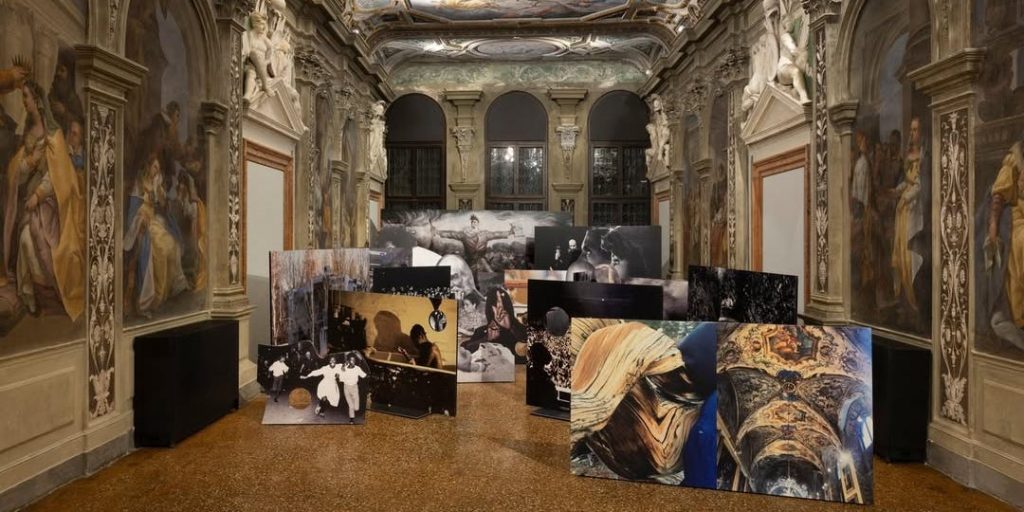
The floating city has long served as humanity’s most ambitious theatrical stage, where centuries of artistic tradition collide with contemporary innovation. During biennial season, this collision becomes particularly electric, revealing how cultural institutions can still shape our understanding of beauty, commerce, and social connection in meaningful ways.
What strikes me most about Venice during these intensive cultural periods is how it forces us to confront a fundamental question: does high culture still matter in our digitally saturated world? After experiencing the opening week firsthand, I believe the answer is a resounding yes—but only for those willing to engage deeply rather than merely consume.
The Luxury of Authentic Cultural Immersion
The hospitality landscape during major cultural events reveals something fascinating about how we experience art today. Staying at historically significant properties like converted monasteries and noble residences isn’t just about luxury—it’s about contextual immersion that enhances artistic understanding. I think this matters enormously for serious cultural enthusiasts who want to move beyond surface-level appreciation.
However, this level of engagement isn’t for everyone. The investment required—both financial and intellectual—means these experiences primarily serve cultural insiders and affluent travelers. For casual art lovers or budget-conscious visitors, the barrier to entry can feel prohibitive, which raises important questions about cultural accessibility.
Where Fashion Meets Fine Art
The intersection of luxury fashion houses with contemporary art installations represents one of the most intriguing developments in cultural programming. The collaboration between historic textile manufacturers and contemporary designers creates environments that transcend traditional exhibition formats, becoming immersive experiences that blur boundaries between commerce and culture.
I find this trend particularly relevant for design professionals and collectors who understand that the future of cultural institutions depends on innovative partnerships. These collaborations work because they respect both commercial and artistic integrity—something that benefits luxury brands seeking authentic cultural credibility and artists needing sustainable funding models.
The newly established fashion foundations presenting exhibitions that treat garments as sculptural objects signals a maturation of fashion as high art. This evolution particularly benefits fashion historians, museum professionals, and serious collectors who have long argued for fashion’s place in fine arts discourse.
Contemporary Art in Historic Contexts
Large-scale installations in Venice’s historic spaces create powerful dialogues between past and present. Artists working with traditional materials in revolutionary ways demonstrate how contemporary practice can honor historical legacy while pushing creative boundaries forward.
What I find most compelling is how these installations succeed when they embrace rather than fight their historic settings. The most effective pieces feel like natural extensions of their environments, suggesting that contemporary artists who study and respect architectural history create more impactful work than those who ignore contextual considerations.
This approach particularly benefits architecture enthusiasts, art historians, and cultural tourists who appreciate layered experiences over simple spectacle. However, visitors seeking purely contemporary art might find the historical overlay distracting rather than enriching.
The Social Architecture of Cultural Events
The evening gatherings and private dinners that accompany major cultural events serve purposes beyond mere socializing. They create networks that sustain cultural institutions, fund restoration projects, and launch artistic careers. The recent heritage ball that raised significant funds for museum restoration demonstrates how social events can generate real cultural impact.
I believe these gatherings work best when they balance exclusivity with purpose. The most successful events feel meaningful to attendees while generating tangible benefits for cultural preservation. This model particularly serves philanthropists, cultural board members, and arts administrators who understand that sustainable cultural programming requires diverse funding sources.
Private Collecting and Public Impact
The relationship between private collectors and public cultural institutions reveals itself clearly during major cultural seasons. Collectors who open their homes and share their acquisitions create intimate educational experiences that complement larger institutional presentations.
This dynamic particularly benefits emerging collectors, art advisors, and museum professionals who can observe how personal taste develops into cultural legacy. However, the emphasis on private wealth in cultural programming can alienate visitors who prefer more democratic cultural access.
The Economics of Cultural Tourism
Major cultural events demonstrate how cities can leverage artistic programming for economic development while maintaining cultural integrity. The influx of international visitors, media attention, and cultural investment creates sustainable models for arts funding that benefit local communities.
What impresses me most is how successful cultural programming attracts visitors who spend significantly on local businesses while respecting historical preservation needs. This model works particularly well for tourism officials, local business owners, and cultural policy makers seeking sustainable development strategies.
Looking Forward: Cultural Relevance in Changing Times
The future of major cultural institutions depends on their ability to remain relevant while preserving their essential character. The most successful programming balances innovation with tradition, creating experiences that feel both timeless and contemporary.
I think the institutions that will thrive are those that embrace technology thoughtfully, welcome diverse audiences authentically, and maintain rigorous artistic standards consistently. This evolution particularly benefits younger cultural professionals, diverse artists, and forward-thinking collectors who want to shape culture’s future direction.
The challenge lies in expanding access without diminishing quality—a balance that requires careful consideration of who these institutions serve and how they can serve them better. The most promising developments suggest that cultural institutions can maintain excellence while becoming more inclusive, but only through intentional effort and sustained commitment.
Ultimately, major cultural events like these remind us that art remains one of humanity’s most powerful tools for creating meaning, building community, and preserving beauty for future generations. The question isn’t whether culture matters—it’s whether we’re willing to invest in making it accessible, sustainable, and genuinely transformative for all who encounter it.