
The Real Story Behind Fresh Eggs at Major Fast Food Chains
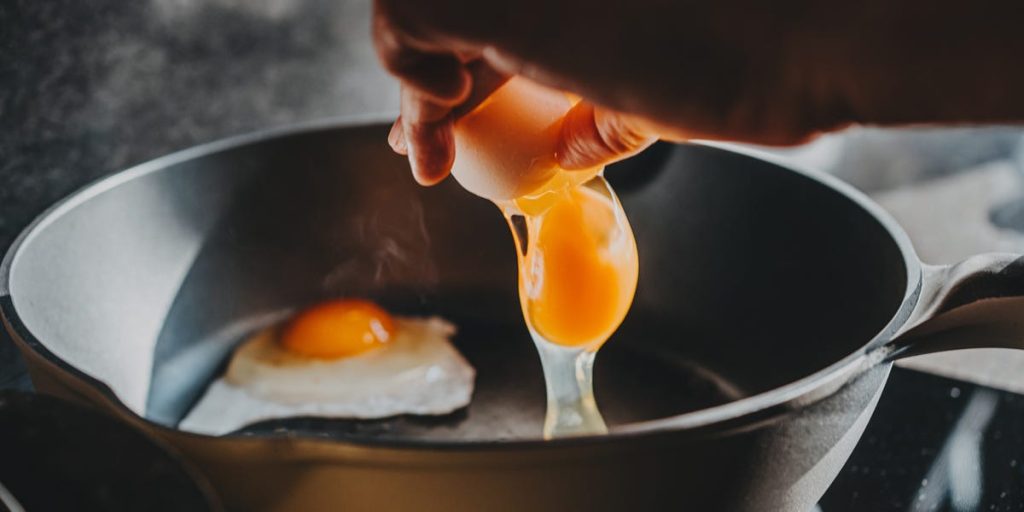
The breakfast wars in fast food have taken an interesting turn, and I think it’s about time we talked honestly about what’s really happening with eggs at these chains. As someone who’s spent way too much time analyzing fast food breakfast menus, I can tell you that the “fresh egg” marketing push isn’t just hype—it’s actually reshaping how these companies approach their morning offerings.
Here’s what I find fascinating: consumers have become surprisingly sophisticated about egg quality, and frankly, they should be. The difference between a genuinely fresh-cracked egg and a processed egg patty is night and day, both in taste and texture. This matters most for people who eat fast food breakfast regularly—if you’re grabbing a sandwich three times a week, you’ll definitely notice the difference.
The Leaders in Fresh Egg Preparation
Let me break down which chains are actually delivering on their fresh egg promises, because the reality is more nuanced than most marketing suggests.
Wendy’s Takes the Crown
In my opinion, Wendy’s deserves serious credit for making fresh-cracked Grade A eggs standard across their entire breakfast lineup since 2020. This includes everything from biscuit sandwiches to breakfast burritos. What impresses me most is their commitment to consistency—every location cracks eggs in-store rather than relying on processed alternatives.
This approach benefits anyone who values food quality and authenticity, particularly busy professionals who want something better than the typical fast food experience. However, if you’re purely price-focused or don’t care about ingredient quality, you might not see the value in paying slightly more for this upgrade.
The Golden Arches’ Split Personality
The most famous chain’s approach to eggs perfectly illustrates why consumers are confused about this whole fresh egg situation. They use genuinely fresh-cracked eggs for their signature breakfast sandwich, cooking them directly on the grill in those distinctive circular rings. But here’s where it gets interesting—their folded egg products on biscuits and bagels come from liquid egg mixtures that are pre-cooked and frozen.
This dual approach makes sense from a business perspective, but I think it’s problematic for consumers. You’re essentially playing egg roulette depending on what you order. For people who specifically want fresh eggs, you need to stick to the muffin-based options.
Tim Hortons’ Redemption Story
The Canadian coffee giant made headlines when they switched to fresh-cracked eggs chain-wide after years of customer complaints about their previous egg patties. This was a smart move that directly addressed consumer feedback, and I respect companies that actually listen to criticism and make meaningful changes.
This benefits anyone who frequents Tim Hortons regularly, especially in areas where they’re a breakfast staple. The improvement in quality was immediately noticeable to regular customers.
White Castle’s Underrated Excellence
Here’s a chain that doesn’t get enough credit for their breakfast quality. White Castle uses fresh-cracked eggs for their breakfast sliders, cooking them directly on the grill. What I appreciate about their approach is the simplicity—they’re not making grand marketing claims, just quietly doing the work.
This is perfect for people who want quality without pretension, though it’s obviously limited to areas where White Castle operates.
The Disappointing Reality at Other Chains
Let me be direct about this: many popular breakfast chains are still using processed egg products, despite what their marketing might suggest. Major coffee chains, popular chicken restaurants, and several burger chains rely on egg mixtures or pre-made patties rather than cracking fresh eggs to order.
I find this particularly disappointing because these chains have the resources to upgrade their processes, but they’re choosing convenience and cost savings over quality. This doesn’t serve customers well, especially those who are paying premium prices for breakfast items.
Why This Actually Matters
Some people might think this whole fresh egg debate is overblown, but I disagree. The texture difference between fresh-cracked eggs and processed alternatives is immediately apparent once you know what to look for. Fresh eggs have a more natural mouthfeel, better flavor, and frankly, they just feel more like real food.
This matters most for regular fast food breakfast consumers who want to feel good about their choices. If you’re someone who grabs breakfast on the go several times per week, choosing chains that use fresh eggs can make a meaningful difference in your overall eating experience.
However, if you’re primarily concerned with speed, convenience, or rock-bottom prices, the egg preparation method might not be your top priority. And that’s perfectly valid—different consumers have different needs.
What I find encouraging is that consumer awareness is actually driving change in this industry. Chains are realizing that breakfast eggs might be one of the few fast food ingredients where people still expect authenticity. As more consumers vote with their wallets for better quality, I expect we’ll see more chains upgrading their egg preparation methods.
The bottom line is this: if fresh eggs matter to you, do your homework before ordering. The marketing doesn’t always tell the full story, and knowing which chains actually deliver on their promises can help you make better choices for your morning routine.