
The Reality Behind Operating London’s Busiest Drinking Establishments
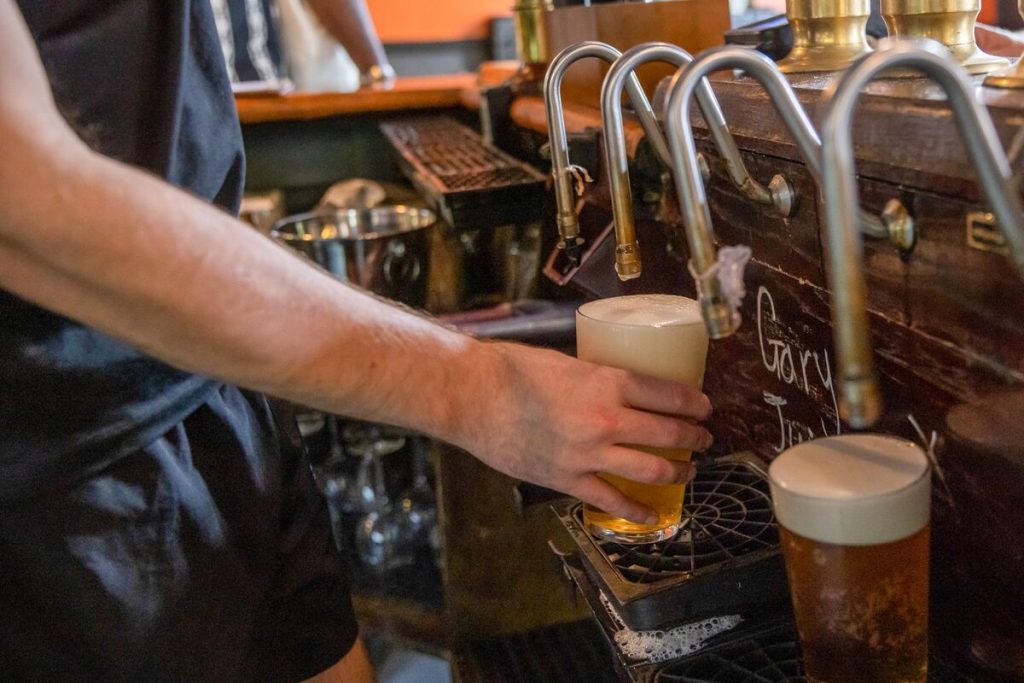
Running a successful pub in London’s competitive hospitality landscape requires far more than just serving good beer and creating a welcoming atmosphere. After speaking with hospitality entrepreneurs who’ve built thriving establishments in the capital, it’s clear that the modern pub business is a complex operation that demands exceptional business acumen alongside traditional hospitality skills.
What strikes me most about today’s pub operators is how they’ve had to evolve beyond the traditional publican role. These aren’t just bartenders who happened into business ownership – they’re sophisticated entrepreneurs who understand everything from supply chain management to social media marketing. This evolution is essential for anyone considering entering the industry, but it also means the barrier to entry has never been higher.
The financial realities are particularly sobering. London’s astronomical property costs mean that securing the right location requires substantial capital investment upfront. Beyond rent, there’s licensing, insurance, staffing costs, and the constant need to refresh interiors to stay relevant. I believe this financial pressure separates successful operators from those who struggle – you need deep pockets and a clear understanding of cash flow management.
What’s fascinating is how customer expectations have transformed the industry. Today’s pub-goers expect craft beer selections, elevated food offerings, and Instagram-worthy interiors. This trend benefits operators who can adapt and invest in quality, but it leaves behind traditional establishments that can’t or won’t modernize. Frankly, I think this shift has improved the overall quality of London’s pub scene, even if it means some neighborhood institutions have been priced out.
The staffing challenge cannot be overstated. Finding reliable, skilled bartenders and kitchen staff in London’s tight labor market requires offering competitive wages and benefits that many smaller operations simply cannot afford. This reality favors larger hospitality groups with resources to invest in proper training and retention programs.
For aspiring pub owners, I’d argue this industry is best suited for those with significant hospitality experience and substantial financial backing. The romantic notion of running a cozy neighborhood pub is largely outdated – today’s successful operators are running sophisticated businesses that happen to serve drinks. Those without prior industry experience or adequate capital would be wise to consider other ventures, as the learning curve is steep and the financial risks are considerable.
The regulatory environment adds another layer of complexity that many underestimate. Navigating licensing requirements, health and safety regulations, and employment law requires either extensive knowledge or expensive professional guidance. This bureaucratic reality makes the business less accessible to newcomers but ultimately protects both operators and customers.