
Daily Word Puzzle Strategy: Mastering Grid-Based Letter Games
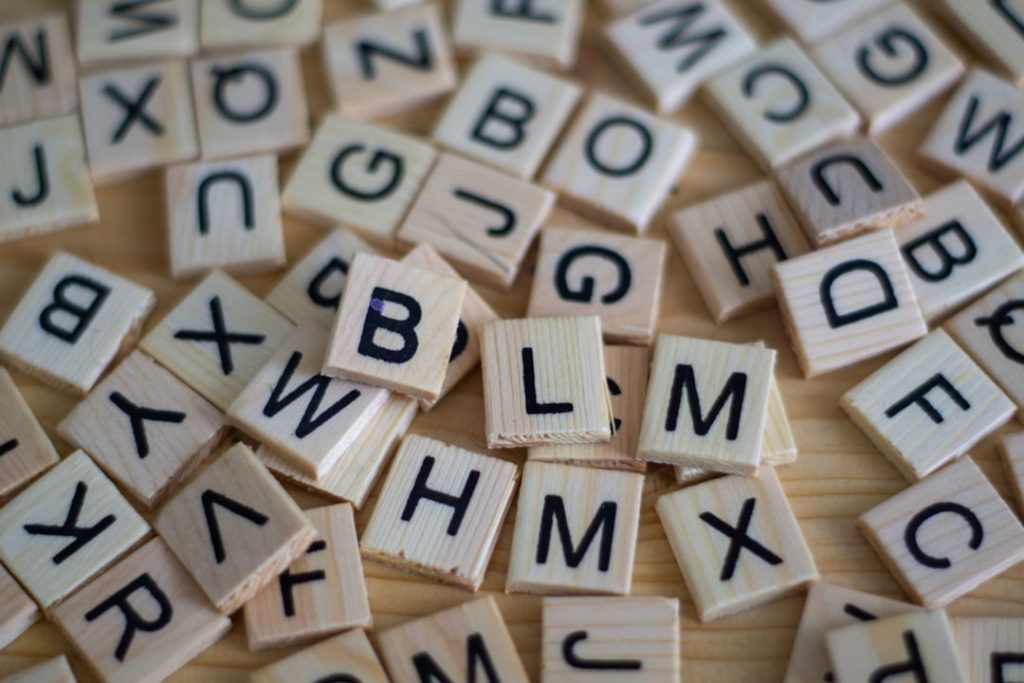
Grid-based word puzzles have become increasingly popular, challenging players to find hidden words within letter matrices. These games require both vocabulary knowledge and pattern recognition skills, making them engaging brain teasers for word enthusiasts.
I find these puzzles particularly rewarding because they combine the satisfaction of word discovery with spatial reasoning. Unlike traditional crosswords, grid puzzles force you to think in multiple directions simultaneously, which I believe makes them superior brain training tools.
Understanding the Mechanics

The core concept revolves around identifying themed words hidden within a grid of letters. Players must connect adjacent letters to form words that relate to a specific topic or category. What makes these puzzles especially clever is the inclusion of spanning words that stretch across the entire grid, providing structural anchors for the solution.
In my experience, the key to success lies in recognizing the theme early. Once you understand the central concept, finding individual words becomes significantly easier. This particular style of puzzle rewards both broad vocabulary knowledge and the ability to think laterally about word associations.
Strategic Approaches

I’ve found that starting with longer, more obvious words often provides the best foundation. These anchor points help reveal the puzzle’s structure and make shorter words more apparent. The hint system, which unlocks after finding several four-letter words, serves as a helpful safety net for particularly challenging themes.
For today’s puzzle focusing on rotating and spinning objects, the solutions include mechanical items like pulleys, reels, and winding devices. The spanning solution creatively incorporates the phrase about unwinding, which I think demonstrates the puzzle maker’s wit in connecting the literal theme with a common expression.
Who Benefits Most
These puzzles are ideal for vocabulary enthusiasts who enjoy pattern recognition challenges. I believe they’re particularly valuable for people looking to improve their spatial reasoning while expanding their word knowledge. However, they might frustrate players who prefer more straightforward word games or those who struggle with abstract thinking.
The difficulty level makes these puzzles perfect for intermediate to advanced word game players, though beginners might find them overwhelming without the hint system. I think the daily format creates an excellent routine for mental exercise, though some may find the pressure of daily completion stressful rather than enjoyable.
Photo by Sven Brandsma on Unsplash
Photo by Brett Jordan on Unsplash
Photo by Piotr Łaskawski on Unsplash