
Deep Fission’s Puzzling Path to Public Markets Raises Red Flags for Nuclear Energy Investors
The nuclear energy sector is experiencing a renaissance, driven by artificial intelligence’s voracious appetite for clean power. However, not every company riding this wave deserves investor confidence, and Deep Fission’s convoluted journey to public markets serves as a cautionary tale about the gap between hype and reality in nuclear startups.
This underground reactor developer has announced plans for a traditional IPO on Nasdaq, seeking $157 million at a valuation reaching $1.66 billion. What makes this announcement particularly eyebrow-raising is that the company already claimed to go public less than a year ago through a reverse merger with a shell company, raising $30 million at a fraction of today’s proposed share price.
A Public Company That Never Actually Traded
Here’s where things get murky. Despite completing that reverse merger and becoming a reporting entity with SEC obligations, Deep Fission’s stock never actually traded publicly. The company had promised to list on over-the-counter markets but apparently never followed through. This kind of corporate maneuvering should make any serious investor pause and ask hard questions about management’s credibility and strategic planning.
I find this pattern deeply concerning. Companies that can’t execute on basic public market promises are unlikely to deliver on far more complex technical challenges like building underground nuclear reactors. For retail investors especially, this should be a massive red flag.

Deteriorating Fundamentals Behind Rising Valuations
What’s most troubling is that Deep Fission’s financial and technical position has actually worsened since their initial public market attempt. The company’s deficit has ballooned from $56.2 million to $88.1 million, while their timeline for achieving nuclear criticality has been pushed back indefinitely. Cash reserves are declining rapidly, dropping $6.4 million in just six weeks.
This deterioration makes the nine-figure valuation seem disconnected from reality. Sophisticated institutional investors might see through this disconnect, but I worry about smaller investors getting caught up in nuclear energy enthusiasm without understanding the underlying risks.
Technical Challenges That Shouldn’t Be Underestimated
Deep Fission’s core technology involves drilling massive boreholes up to 50 inches in diameter and a mile deep – significantly larger than standard oil and gas operations. They’re currently testing with an eight-inch diameter well, which represents a massive scaling challenge that the company hasn’t adequately addressed.
As someone who follows energy infrastructure closely, I believe the drilling challenges alone could derail this entire venture. The company admits they haven’t even finalized their reactor design because they don’t know what size holes they can actually drill at scale. This puts the cart firmly before the horse.

Who Should Consider This Investment
Honestly, very few investors should touch this offering. Deep Fission might appeal to speculative investors with high risk tolerance who want exposure to nuclear energy trends, but even then, there are far better options available. The company’s track record of missed promises and deteriorating finances makes it unsuitable for anyone seeking steady returns or proven management execution.
Institutional investors with deep due diligence capabilities might find some value if they can negotiate better terms or board representation, but retail investors should absolutely stay away. The complexity of nuclear technology combined with regulatory hurdles makes this a binary bet that’s more likely to result in total loss than meaningful returns.
Better Alternatives in Nuclear Energy
The nuclear renaissance is real, but investors should focus on companies with actual revenue streams and regulatory progress. Deep Fission’s attempt to capitalize on market enthusiasm while delivering declining performance represents exactly the kind of investment trap that emerges during sector booms.
What concerns me most is that Deep Fission’s IPO timing appears driven purely by market conditions rather than operational readiness. Companies that go public to avoid bankruptcy rather than to fund growth typically don’t end well for shareholders. The ongoing “going concern” warning in their filings should tell investors everything they need to know about the company’s financial stability.
This situation perfectly illustrates why due diligence matters more than sector trends when evaluating individual investments. Nuclear energy’s future looks bright, but that doesn’t mean every nuclear startup deserves your money.
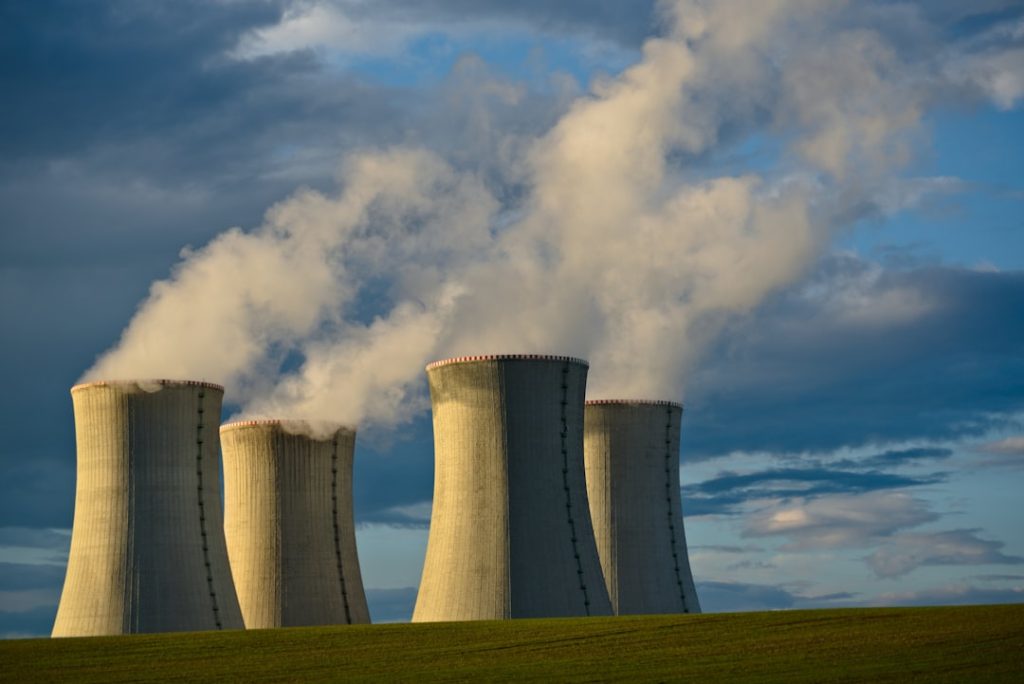
Photo by Lukáš Lehotský on Unsplash
Photo by Nicolas HIPPERT on Unsplash