
Former Intelligence Chief Suggests Iran May Be Ready to Compromise on Critical Maritime Route
A former high-ranking U.S. intelligence official believes Iran may be showing signs of flexibility regarding one of the world’s most strategically important shipping lanes. This development could signal a potential breakthrough in ongoing diplomatic efforts to resolve regional tensions.
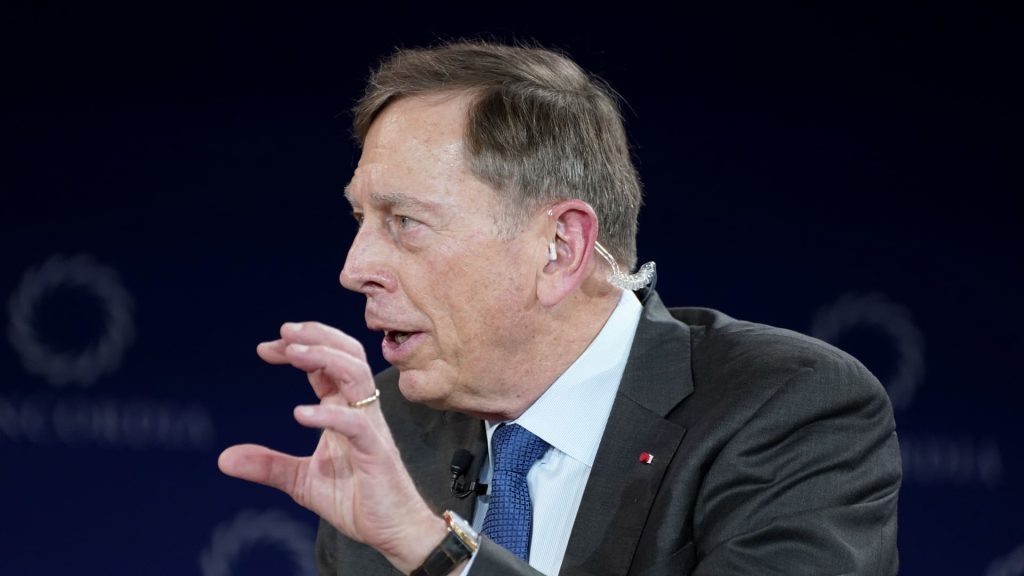
David Petraeus, who previously led the Central Intelligence Agency and served as a commanding general in Iraq and Afghanistan, shared his assessment during a recent investment conference. Now serving as chairman of the KKR Global Institute, Petraeus suggested that Tehran appears to be reconsidering its position on controlling maritime traffic through the narrow waterway that connects the Persian Gulf to the Arabian Sea.
In my view, this represents a crucial moment for global energy security. The Strait of Hormuz handles roughly 20% of the world’s petroleum liquids, making any disruption there a nightmare scenario for oil markets and the global economy. If Iran is indeed softening its stance, this could provide much-needed stability for energy traders and shipping companies who have been operating under constant uncertainty.
According to Petraeus, a successful initial agreement would require Iran to allow unrestricted passage through the strait without imposing fees or maintaining operational control over vessel movements. Most importantly, Tehran would need to abandon any future threats of closure – a demand that makes perfect sense from both economic and security perspectives.
The timing of these observations coincides with recent statements from U.S. leadership indicating that diplomatic discussions are progressing, though officials have emphasized the importance of not rushing toward a premature agreement. This cautious approach seems wise, given the complexity of the issues at stake.
However, significant obstacles remain in the negotiation process. Iran’s insistence on maintaining enriched uranium stockpiles domestically and collecting transit fees for strait passage represents major sticking points that could derail any potential deal. These demands strike me as unrealistic given Iran’s severely weakened military position following recent conflicts.
Petraeus painted a stark picture of Iran’s diminished military capabilities, noting that most of their naval fleet has been destroyed, their missile arsenals significantly reduced, and their air force essentially eliminated. Yet he warned that Iran could still pose threats through unconventional means, including underwater mines, drone attacks, or fast boat harassment of commercial vessels.
This situation presents both opportunities and risks for different stakeholders. Energy companies and shipping firms would clearly benefit from unrestricted strait access, as would global consumers who ultimately bear the cost of energy price volatility. However, regional powers might view any deal that leaves Iran with residual influence as insufficient.
The broader implications extend beyond maritime security. Petraeus emphasized that resolving the strait issue, while important, doesn’t address other critical concerns including Iran’s nuclear program and its financial support for regional proxy organizations. These interconnected challenges suggest that any sustainable solution will require a comprehensive approach rather than piecemeal agreements.
From my perspective, the international community should remain cautiously optimistic about these developments while maintaining realistic expectations. Iran’s apparent willingness to negotiate may reflect their recognition that continued confrontation serves no one’s interests, particularly given their weakened position.
Recent diplomatic signals from Washington suggest that U.S. officials are prepared to pursue negotiations earnestly while keeping alternative options available. This balanced approach seems appropriate given the high stakes involved and the potential for setbacks in what will likely be a complex negotiation process.
For investors and business leaders, these developments warrant close monitoring. Any genuine progress toward reopening the strait could significantly impact energy markets, shipping costs, and regional stability. However, the situation remains fluid, and market participants should prepare for continued volatility until a comprehensive agreement is reached and implemented.