
Luxury Caribbean Resort Deals: How to Score Major Savings on All-Inclusive Vacations
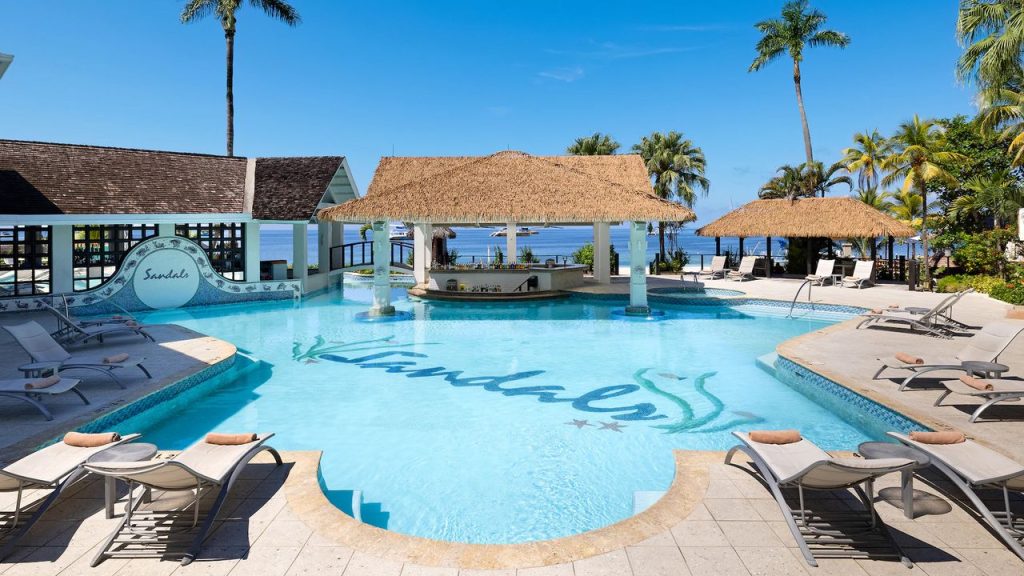
The world of luxury all-inclusive resorts has become increasingly competitive, and frankly, that’s fantastic news for travelers who know how to play the game. While premium Caribbean destinations have traditionally commanded eye-watering prices, the current market dynamics are creating unprecedented opportunities for savvy vacationers to experience high-end hospitality without the traditional financial burden.
The Reality of Luxury Resort Pricing
Let’s be honest about what we’re dealing with here. Luxury all-inclusive resorts have mastered the art of premium pricing, often charging $800-1,200 per night for what amounts to a standardized experience across multiple properties. However, I’ve observed a significant shift in how these establishments approach their pricing strategies, particularly during slower booking periods.
The truth is, these resorts would rather fill rooms at discounted rates than leave them empty. This creates a window of opportunity that benefits travelers who understand timing and flexibility. For couples seeking romantic getaways or families planning milestone celebrations, this represents genuine value. However, budget-conscious travelers expecting hostel-level pricing should look elsewhere – even with substantial discounts, we’re still talking about premium-tier expenses.
Who Benefits Most From Resort Promotions
In my experience, certain types of travelers extract maximum value from these promotional opportunities. Honeymooners and anniversary celebrants often find the splurge worthwhile, especially when they can secure 30-40% savings off peak rates. The all-inclusive model particularly appeals to those who prefer predictable vacation budgets without surprise expenses.
Business professionals with limited vacation time also benefit significantly. When you only have a week off, paying extra for seamless service, multiple dining options, and included activities makes financial sense. The convenience factor alone justifies the premium for time-starved executives.
However, adventurous travelers who prefer exploring local culture and cuisine might find these resorts restrictive. If you’re the type who seeks authentic local experiences over polished resort amenities, your money is better spent on boutique hotels and independent restaurants.
Strategic Booking Approaches
The promotional landscape requires strategic thinking. I’ve noticed that the most substantial discounts typically appear during shoulder seasons – late spring and early fall when weather remains excellent but demand drops. Smart travelers also monitor multiple booking windows, as rates can fluctuate dramatically based on occupancy projections.
Flexibility with travel dates proves crucial. Those locked into specific weeks, particularly during peak holiday periods, rarely access the deepest discounts. However, travelers with adaptable schedules can capitalize on last-minute inventory adjustments and flash sales.
Understanding Value Propositions
What constitutes genuine value varies dramatically among travelers. For families with teenagers, unlimited food and activities can offset the higher nightly rates. Parents appreciate not negotiating every meal expense or activity fee with their children.
Conversely, couples without children might find better value in boutique properties with superior service ratios and more intimate settings. The math changes when you’re not feeding multiple people three meals daily or requiring extensive entertainment programming.
Market Timing and Economic Factors
Current economic conditions have created interesting dynamics in the luxury travel sector. Post-pandemic pent-up demand initially drove prices skyward, but we’re now seeing market corrections as travel patterns normalize. This creates opportunities for travelers willing to book during transitional periods.
I believe we’re entering a sweet spot where supply and demand are rebalancing, creating more favorable conditions for consumers. Resorts invested heavily in upgrades during closure periods and need consistent occupancy to justify those expenditures.
The key insight here is that luxury travel doesn’t have to mean luxury pricing if you approach it strategically. However, it requires research, flexibility, and realistic expectations about what constitutes value in your specific situation.