
Mastering the Art of Curry: Five Essential Principles for Perfect Results
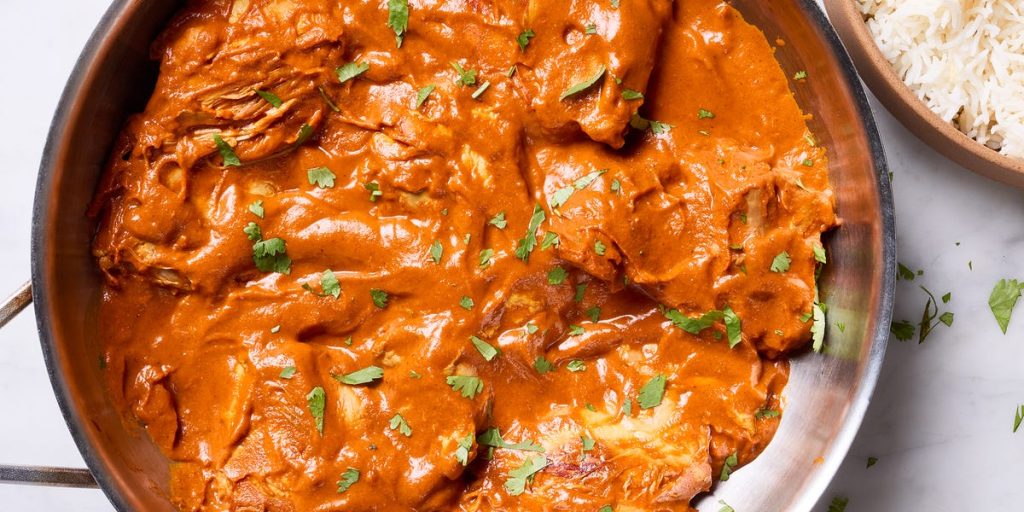
When it comes to creating exceptional curry dishes at home, many home cooks find themselves overwhelmed by the complexity of flavors and techniques involved. Having explored various approaches to this beloved dish, I believe that understanding fundamental principles is far more valuable than following rigid recipes. The art of curry-making requires patience, technique, and a deep appreciation for how flavors develop and interact with one another.
Build Your Flavor Foundation Properly
The most critical mistake I see home cooks make is rushing the initial steps of curry preparation. The tempering process—heating spices in oil or clarified butter—forms the backbone of any successful curry. This isn’t just about warming spices; it’s about awakening their essential oils and creating aromatic compounds that will permeate the entire dish. I think this step separates amateur attempts from restaurant-quality results. Those who skip or rush this foundation will never achieve the depth of flavor that makes curry truly memorable. This technique benefits anyone serious about Indian cuisine, but casual cooks looking for quick weeknight meals might find it unnecessarily time-consuming.
Master the Art of Onion Cookery
In my experience, the treatment of onions determines whether a curry will be mediocre or exceptional. The transformation of onions through different stages of cooking creates entirely different flavor profiles that serve specific purposes. Lightly sautéed onions contribute subtle sweetness and texture, while deeply caramelized onions provide rich, complex undertones that form the sauce’s body. I believe this is where patience truly pays dividends—those willing to spend the extra time cooking onions properly will be rewarded with superior results. However, this approach isn’t practical for everyone, particularly busy families who need dinner on the table quickly.
Understanding Onion Stages
Each stage of onion cooking serves a distinct purpose in curry development. The key is recognizing when onions have reached the desired color and texture for your specific dish. This skill comes with practice and observation, making it invaluable for serious home cooks but potentially frustrating for beginners.
Layer Your Spices Strategically
One of the most important lessons I’ve learned is that spice addition follows a specific hierarchy that cannot be ignored. The concept of building rather than assembling flavors resonates deeply with my approach to cooking. Whole spices establish the foundational aromatics, ground spices contribute body and complexity, while fresh herbs provide brightness and lift at the finish. This methodical approach benefits those who want to understand cooking principles rather than simply follow instructions. Conversely, cooks who prefer straightforward, dump-and-stir methods will find this approach unnecessarily complicated.
Achieve Harmonious Balance
What I find most fascinating about curry is how it demonstrates the principle of flavor balance in its purest form. No single element should dominate—heat, acidity, sweetness, and saltiness must work in harmony. This is where personal taste and adjustment skills become crucial. I believe learning to taste and adjust is more valuable than following any recipe exactly. Small additions of citrus, unrefined sugar, dairy, or salt can transform a good curry into an exceptional one. This skill particularly benefits adventurous cooks who enjoy experimenting, while those who prefer precise measurements and predictable outcomes might find this flexibility intimidating.
Allow Time for Flavor Development
Perhaps the most overlooked aspect of curry-making is the resting period after cooking. I’m convinced this step makes the difference between good and great curry. Allowing flavors to meld and deepen over several hours or overnight creates complexity that simply cannot be achieved through cooking alone. The chemical interactions that occur during this time transform individual ingredients into a cohesive, sophisticated dish. This principle particularly benefits meal planners and those who enjoy preparing food in advance. However, it’s clearly not suitable for spontaneous cooks or those needing immediate gratification from their cooking efforts.
In my opinion, these principles represent a philosophy of cooking that values process over speed and understanding over convenience. They’re most beneficial for home cooks who view cooking as a craft worth developing rather than a chore to be completed quickly.