Middle East Maritime Security: Signs Point to Potential De-escalation in Critical Shipping Lane
Recent diplomatic developments suggest that tensions surrounding one of the world’s most crucial maritime chokepoints may be easing, according to seasoned intelligence and military analysts. The strategic waterway, through which roughly 20% of global oil supplies pass, has been at the center of escalating regional conflicts.
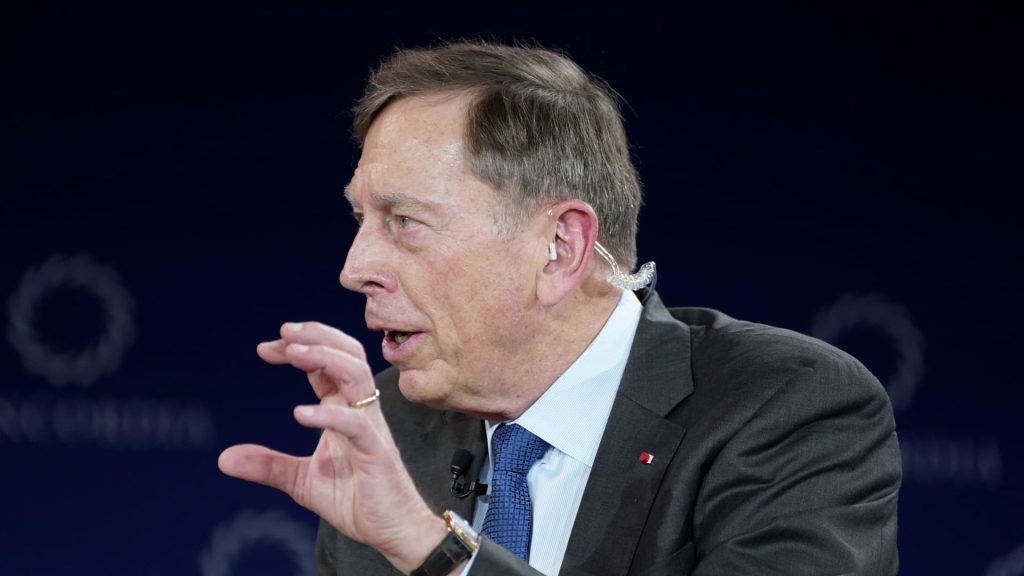
Former CIA Director David Petraeus, now serving as chairman of the KKR Global Institute, indicated during a recent investment conference that Iran appears to be reconsidering its hardline stance regarding the strait. In my view, this represents a critical juncture that could reshape regional dynamics for years to come.
The potential breakthrough centers on establishing unconditional passage through the waterway. Any successful agreement would need to ensure that no single nation can impose fees, restrict traffic, or threaten future closures of this vital commercial route. This is exactly the kind of pragmatic approach that benefits global commerce, though I’m skeptical about long-term compliance given the region’s volatile history.
What’s particularly interesting is the timing of these developments. Current peace negotiations face significant obstacles, particularly Tehran’s insistence on maintaining enriched uranium stockpiles domestically and its demands to collect transit fees from commercial vessels. For energy companies and shipping firms, this uncertainty creates substantial operational risks that are difficult to price into business models.
From a military perspective, the situation has dramatically shifted. Iran’s naval capabilities have been severely degraded, with most of their conventional fleet reportedly destroyed and missile systems substantially reduced. However, I believe this actually makes the current moment more dangerous, not less. Weakened military powers often resort to asymmetric tactics, and Iran still possesses the capability to disrupt shipping through mining operations, drone attacks, or fast boat swarms.
The broader implications extend far beyond maritime security. Any comprehensive resolution must address Iran’s nuclear ambitions and its financial support for regional proxy organizations. This is where I think negotiations will ultimately stall – these deeper issues require fundamental changes to Iran’s strategic posture that may be politically impossible for Tehran to accept.
For global investors and energy markets, the stakes couldn’t be higher. A permanent resolution would provide price stability and supply chain predictability that benefits everyone from oil refiners to consumer goods manufacturers. Conversely, continued instability keeps risk premiums elevated across multiple sectors.
Recent statements from US Secretary of State Marco Rubio suggest that diplomatic solutions remain the preferred approach, with alternative measures held in reserve. This measured stance makes sense from a policy perspective, though I worry that prolonged negotiations without clear deadlines may actually encourage further brinkmanship.
The reality is that this situation primarily benefits major shipping companies and energy firms if resolved peacefully, while defense contractors and regional military suppliers have obvious interests in continued tensions. For ordinary consumers, resolution means more stable fuel prices and reduced inflationary pressures on imported goods.
Looking ahead, I believe any sustainable agreement requires international oversight and enforcement mechanisms. Without credible guarantees and monitoring systems, even the most promising diplomatic breakthrough could quickly unravel when political winds shift in Tehran or Washington.