
Revolutionary Remote Airport Security Screening Could Transform Travel Experience
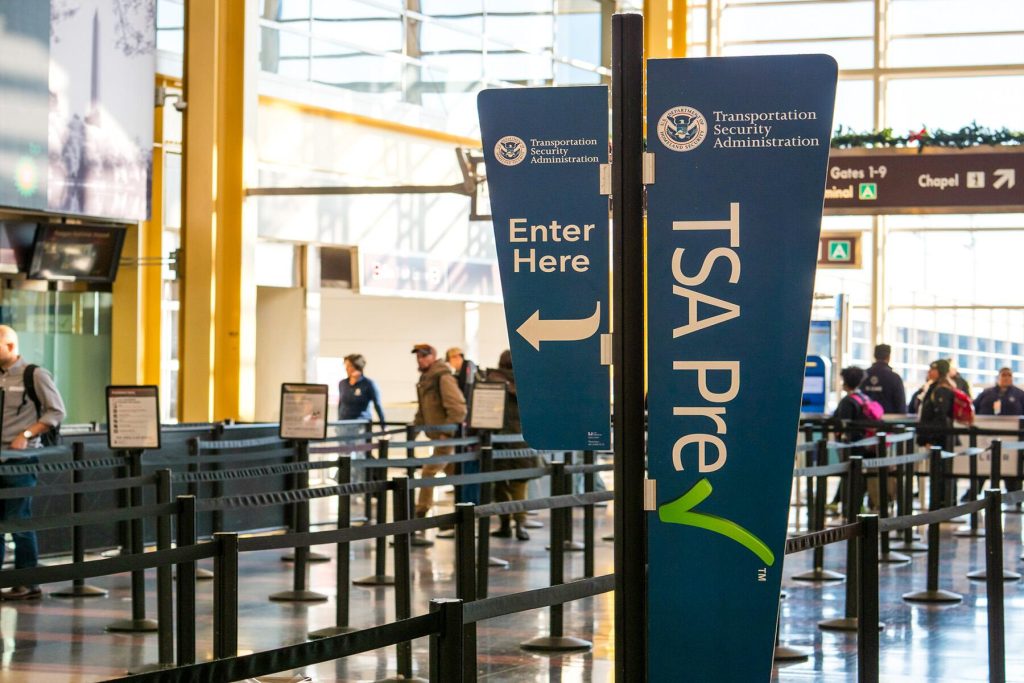
A groundbreaking three-month pilot program at Boston Logan International Airport is challenging traditional airport operations by moving security screening 25 miles away from the terminal. This innovative approach allows passengers to complete their security checks at a remote facility in Framingham before taking a dedicated shuttle directly to their departure gate.
I believe this concept represents exactly the kind of forward-thinking solution the aviation industry desperately needs. The traditional model of cramming all security operations into already overcrowded airport terminals has become increasingly unsustainable as passenger volumes continue to grow. This remote screening initiative addresses a fundamental flaw in how we’ve structured airport logistics for decades.
How the Remote Screening Process Works
The system operates with remarkable simplicity that I find genuinely impressive. Passengers arrive at the Framingham facility to check their luggage and undergo the same TSA screening procedures they would encounter at the main airport, including access to expedited screening programs. After clearing security, travelers wait in a designated area equipped with basic amenities before boarding secure buses operated by The Landline Company.
What strikes me as particularly clever is how the program maintains security integrity throughout the entire journey. TSA agents conduct the initial screening, while airline personnel handle luggage transfers once buses arrive at the gate. This seamless handoff eliminates the security gaps that could otherwise compromise the system’s effectiveness.
Who Benefits Most From This Innovation
This service will be transformative for specific types of travelers, though it’s certainly not a universal solution. Families with young children and elderly passengers will find tremendous value in avoiding the chaos of main terminal security lines. Business travelers who prioritize predictability over speed will also appreciate the controlled environment, even if the total journey time increases.
However, I think spontaneous travelers and those who prefer last-minute flexibility will find this system restrictive. The requirement to arrive 45 minutes before bus departure, combined with the hourly shuttle schedule, demands more advance planning than many passengers are accustomed to providing.
Economic Considerations and Accessibility
The pricing structure reveals what I consider to be the program’s most compelling advantage. At $9 for a one-way trip plus $7 daily parking, the total cost significantly undercuts the $37 daily parking fee at Boston Logan. For travelers staying multiple days, this represents substantial savings that extend beyond mere convenience.
The fact that children travel free with ticketed adults makes this particularly attractive for families, who often struggle most with traditional airport security processes. This demographic stands to benefit enormously from the more controlled, less stressful environment the remote facility provides.
Broader Industry Implications
I’m convinced this pilot program could catalyze a fundamental shift in airport design philosophy. The current model of concentrating all passenger processing functions within the main terminal creates artificial bottlenecks that become increasingly problematic as air travel demand grows. Remote screening facilities could distribute this load more effectively across metropolitan areas.
The program currently serves only JetBlue and Delta passengers traveling between 5:30 a.m. and 4 p.m., but plans for expansion suggest airport authorities recognize its potential. If successful, this approach could inspire similar implementations at other major hubs facing capacity constraints.
Traffic and Logistics Reality Check
The 50-minute bus journey through Boston’s notorious traffic presents both advantages and drawbacks that travelers must carefully consider. While the buses follow regular traffic routes and face the same congestion as private vehicles, passengers can use this time productively rather than sitting in airport security lines.
For suburban residents, particularly those living closer to Framingham than to Logan, this option eliminates the stress of navigating to the main airport entirely. However, travelers from other areas might find the additional travel time counterproductive, especially for shorter flights.
The reservation system, allowing bookings between 90 days and 90 minutes before departure, provides reasonable flexibility while ensuring operational predictability. This balance seems well-calibrated for the types of travelers most likely to benefit from the service.
This innovative approach to airport operations deserves serious attention from industry leaders worldwide. While it may not suit every traveler’s needs, it represents a creative solution to persistent infrastructure challenges that have plagued major airports for years. The success or failure of this pilot program could influence how we think about airport design and passenger flow management for decades to come.