
The AI Infrastructure Crisis: Why Semiconductor Success Won’t Solve Tech’s Real Problems
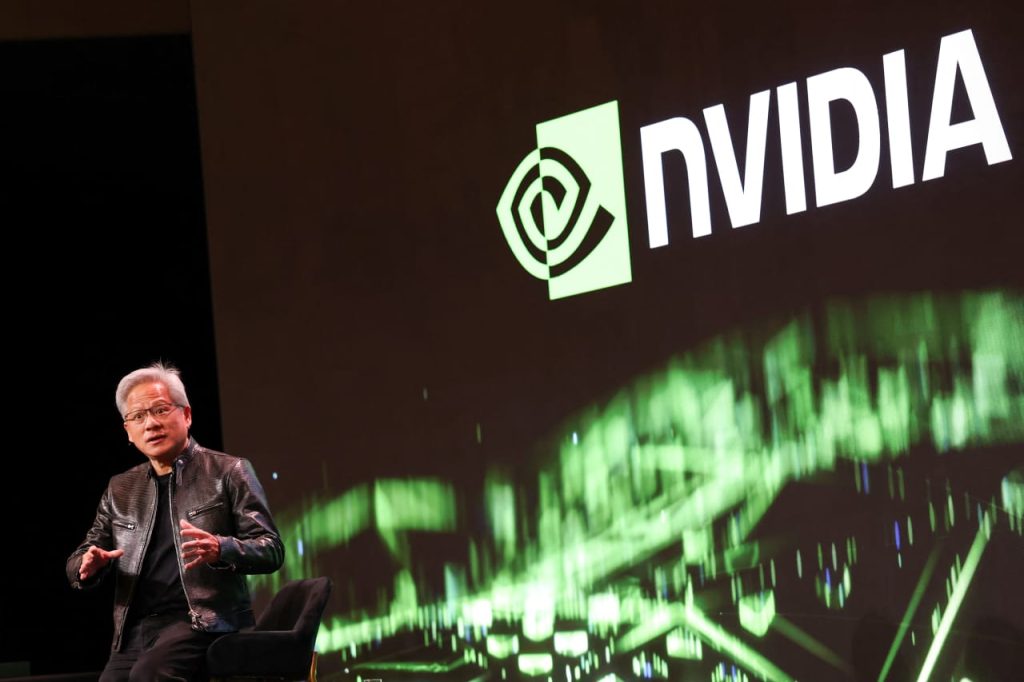
The semiconductor industry’s remarkable ability to meet surging demand for artificial intelligence chips represents just one piece of a much larger puzzle. While chip manufacturers have demonstrated impressive production capabilities, I believe the technology sector faces far more complex challenges that hardware alone simply cannot address.
The reality is that major technology companies are grappling with a perfect storm of economic and geopolitical pressures that no amount of processing power can resolve. What we’re witnessing is a fundamental disconnect between technological capability and the broader infrastructure needed to support it.
The Credit Crunch Reality
Rising borrowing costs present a significant headwind for technology companies, particularly those heavily invested in AI development. I think this credit environment is especially problematic for mid-tier technology firms that lack the cash reserves of industry giants. These companies find themselves caught between the need to invest in cutting-edge infrastructure and increasingly expensive capital.
For established technology leaders with strong balance sheets, higher interest rates represent more of a strategic consideration than an existential threat. However, smaller players and startups in the AI space face genuine constraints that could limit innovation and market competition.
Geopolitical Tensions Reshape Supply Chains
The ongoing trade disputes between major economic powers have created an environment of uncertainty that extends far beyond chip manufacturing. What concerns me most is how these tensions force companies to make long-term infrastructure decisions based on shifting political landscapes rather than pure business logic.
Technology companies now must navigate complex export restrictions, tariff structures, and supply chain requirements that change with political winds. This creates inefficiencies and redundancies that ultimately increase costs for both businesses and consumers.
Who Benefits and Who Doesn’t
Large multinational corporations with diverse geographic operations and substantial resources are best positioned to weather these challenges. They can afford to maintain multiple supply chains and absorb the costs of regulatory compliance across different jurisdictions.
Smaller technology companies and those heavily dependent on international supply chains face the greatest risks. I believe these firms will struggle most with the combination of higher borrowing costs and geopolitical uncertainty.
The Power Grid Bottleneck
Perhaps the most underestimated challenge facing the technology sector is electrical infrastructure capacity. The exponential growth in AI computing demands has created power requirements that existing electrical grids simply cannot support in many regions.
This infrastructure limitation affects everyone from individual consumers to massive data center operators. What makes this particularly frustrating is that unlike chip shortages, power grid upgrades require years of planning and regulatory approval across multiple jurisdictions.
I think this power constraint will become the primary limiting factor for AI development over the next decade, regardless of semiconductor availability. Companies that recognize this early and invest in alternative energy solutions or strategic geographic positioning will have significant advantages.
Strategic Implications
The convergence of these challenges suggests that success in the technology sector increasingly depends on factors beyond pure innovation. Companies must now excel at financial management, geopolitical risk assessment, and infrastructure planning in addition to technological development.
For investors and industry observers, this means evaluating technology companies requires a more holistic approach. Traditional metrics focused on product development and market share provide incomplete pictures of long-term viability.
The companies most likely to thrive are those that acknowledge these broader challenges and develop comprehensive strategies addressing financial resilience, supply chain diversification, and energy infrastructure. Those that focus solely on technological advancement while ignoring these fundamental constraints face increasing risks regardless of their innovation capabilities.