
The Art of Spanish Paella: A Culinary Journey Worth Taking
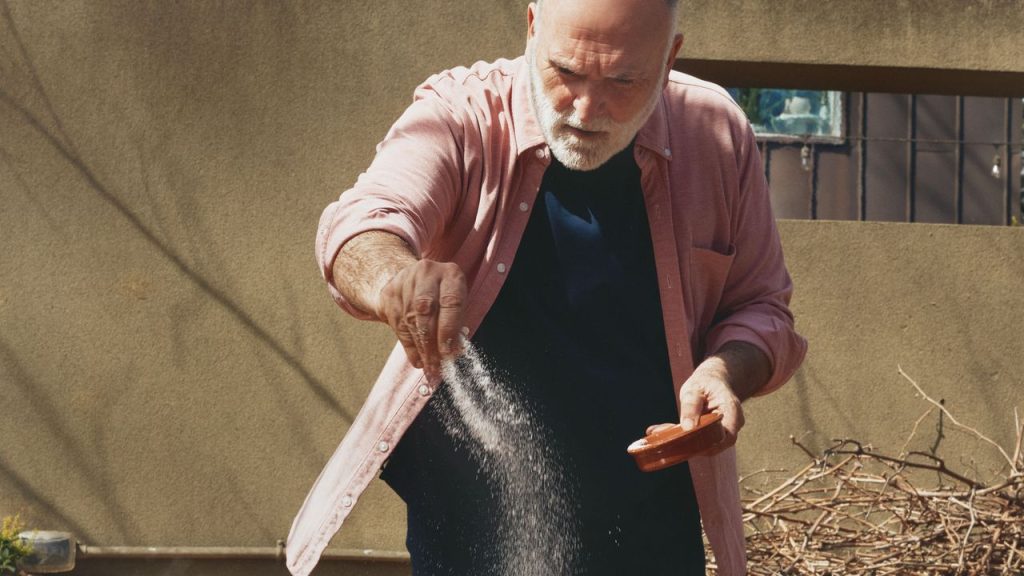
There’s something deeply captivating about the ritual of preparing authentic Spanish paella that goes beyond mere cooking—it’s a cultural experience that deserves our attention. When renowned chefs open their kitchens to share traditional techniques, we’re witnessing more than just a cooking demonstration; we’re getting a glimpse into centuries of culinary heritage.
The invitation to experience genuine paella preparation represents an opportunity that food enthusiasts should absolutely embrace. This isn’t just about learning to cook rice and seafood together—it’s about understanding the soul of Spanish cuisine and the communal spirit that defines Mediterranean cooking culture.
What makes this particularly valuable is the authentic approach to a dish that’s been bastardized countless times in restaurants worldwide. Too often, we encounter so-called paella that bears little resemblance to the traditional Valencian original. The chance to learn proper techniques from someone steeped in Spanish culinary tradition is invaluable for anyone serious about cooking.
I believe this type of culinary education is most beneficial for intermediate to advanced home cooks who already understand basic cooking principles. Beginners might find themselves overwhelmed by the nuanced timing and technique required for proper paella. The dish demands attention to detail—from the quality of saffron to the precise moment when the socarrat (the coveted crispy bottom layer) forms.
For professional chefs and culinary students, such experiences offer insights that can’t be gleaned from cookbooks alone. The subtle adjustments in heat, the visual cues for doneness, and the cultural context behind ingredient choices are lessons that transform good cooks into great ones.
However, I’d argue this isn’t for everyone. Casual cooks who prefer quick, weeknight meals might find traditional paella too time-intensive and ingredient-specific. The dish requires quality ingredients—good saffron alone can cost more than many people spend on an entire meal.
What truly matters here is the preservation of culinary authenticity in an age of fusion confusion. When master chefs share their knowledge, they’re fighting against the dilution of traditional techniques. This cultural transmission is essential for maintaining the integrity of global cuisines.
The communal aspect of paella preparation—traditionally cooked outdoors for groups—also offers something increasingly rare in our individualistic food culture: the opportunity to cook as a shared experience rather than a solitary task.