
The Tourism Surge Challenge: How Major Sporting Events Impact Local Dining Industries
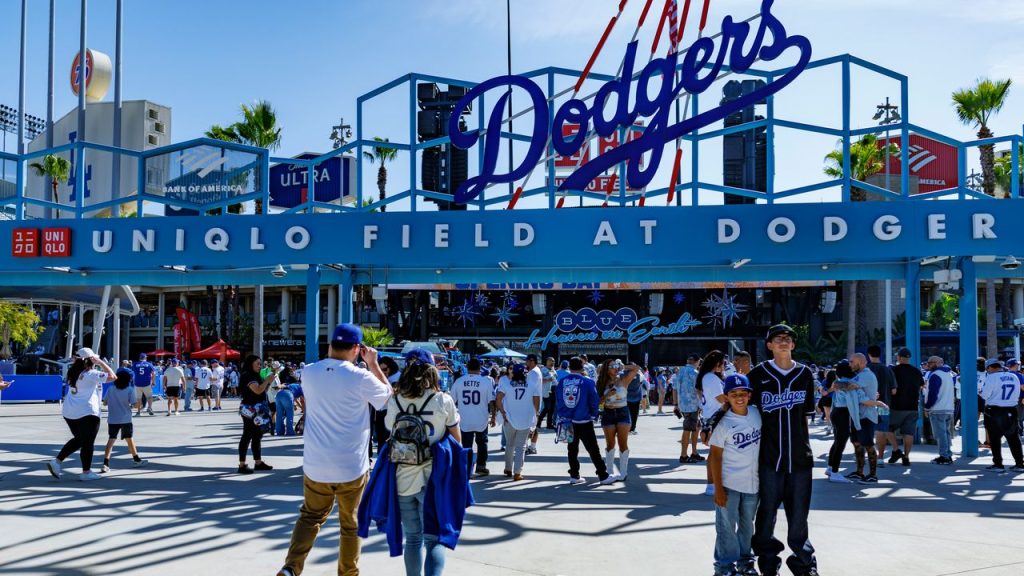
The hospitality sector faces a fascinating paradox during major international sporting events. While the influx of tourists creates unprecedented opportunities for revenue growth, it also presents significant operational challenges that many establishments are unprepared to handle effectively.
I believe the restaurant industry’s response to these tourism surges reveals a fundamental misunderstanding of sustainable business practices. Too many operators view these events as quick cash grabs rather than opportunities to build lasting customer relationships and operational excellence.
The Double-Edged Nature of Event Tourism
When cities host major sporting competitions, local dining establishments experience dramatic shifts in demand patterns. The sudden increase in customers can overwhelm existing infrastructure, leading to compromised service quality and customer dissatisfaction. This phenomenon particularly affects smaller, independent restaurants that lack the resources to rapidly scale their operations.
From my perspective, the establishments that truly benefit are those with robust operational systems already in place. Chain restaurants and well-capitalized venues can quickly adjust staffing levels and supply chains to accommodate increased demand. However, family-owned establishments and neighborhood eateries often struggle to maintain their usual standards while serving significantly larger crowds.
Winners and Losers in the Tourism Game
The reality is that not all restaurants benefit equally from these tourism booms. Establishments located near event venues or in tourist-heavy districts see the most dramatic increases in foot traffic. Meanwhile, restaurants in residential areas may actually experience decreased business as locals avoid crowded areas and change their dining habits.
I think this creates an unfair advantage for already well-positioned businesses while potentially harming smaller operators who invested years building local customer bases. The temporary nature of these surges means that restaurants making significant investments in preparation may not see adequate returns on their expenditures.
Strategic Considerations for Restaurant Operators
Smart restaurant managers should approach these events with careful planning rather than blind optimism. This means analyzing historical data from similar events, adjusting menu offerings to accommodate faster service, and training staff for high-volume operations well in advance.
The establishments that succeed during these periods are typically those that maintain realistic expectations and focus on operational efficiency rather than simply trying to maximize short-term profits. In my opinion, restaurants that compromise their core service standards to chase temporary revenue often damage their long-term reputation among local customers.
Long-Term Impact on Local Food Culture
These tourism bubbles can fundamentally alter local dining landscapes. Increased rents and property values following successful events may price out smaller establishments, leading to a homogenization of restaurant options. This trend particularly affects cities that regularly host international events.
I believe this represents a significant loss for local food culture and community identity. While economic growth is important, cities must balance tourism revenue with preserving the authentic dining experiences that make destinations unique in the first place.
The most successful approach involves careful planning that considers both immediate opportunities and long-term sustainability. Restaurants that view these events as chances to showcase their capabilities rather than simply increase prices tend to build stronger businesses that thrive both during and after the tourism surge.