
Why Every Home Cook Needs a Quality Meat Thermometer in 2026
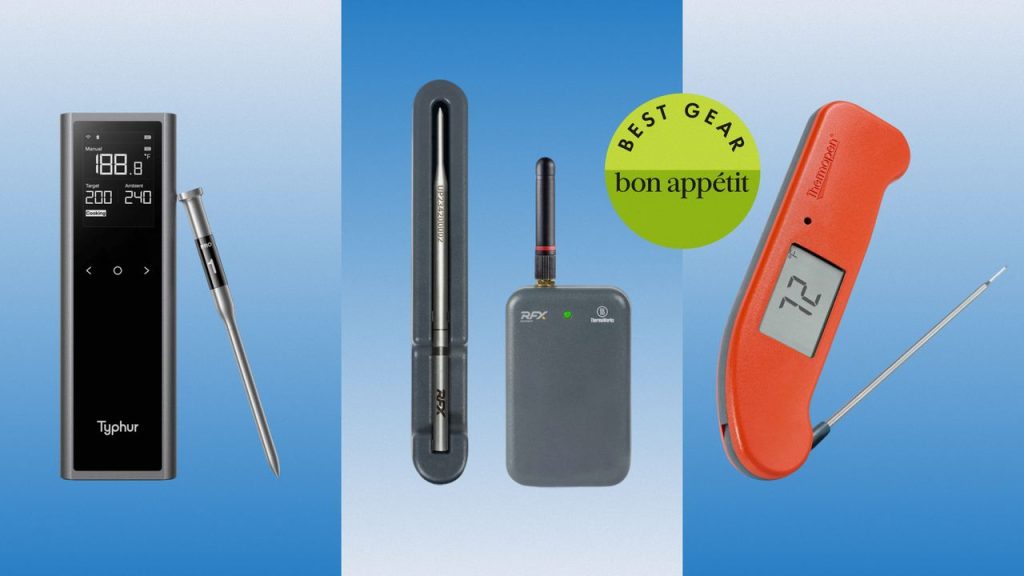
Temperature precision has become the defining factor that separates mediocre home cooks from those who consistently deliver restaurant-quality results. I believe that investing in a reliable meat thermometer is one of the smartest decisions any serious cook can make, yet it remains one of the most overlooked tools in most kitchens.
The reality is stark: guessing doneness by touch or appearance leads to overcooked steaks, dry chicken breasts, and food safety concerns. Professional chefs have long understood that internal temperature is the only reliable indicator of doneness, and it’s time home cooks embraced this truth.
Two Categories Define the Modern Thermometer Market
Today’s thermometer landscape divides into two distinct categories, each serving different cooking styles and needs. Understanding which type suits your cooking habits will determine whether you make a smart purchase or waste money on features you’ll never use.
Instant-Read Thermometers: The Kitchen Workhorse
For most home cooks, an instant-read thermometer represents the best value and versatility. These fold-out probe devices excel at quick temperature checks during cooking, delivering readings within seconds rather than minutes. I consider them essential for anyone who cooks meat regularly, regardless of skill level.
The beauty of instant-read thermometers lies in their simplicity and broad application. You can check multiple spots on a roast chicken, verify steak doneness, test bread for proper baking, and even ensure custards reach safe temperatures. This versatility makes them invaluable for everyday cooking tasks.
However, these devices aren’t designed for prolonged heat exposure. You insert them, get your reading, and remove them immediately. This limitation means they’re not suitable for monitoring long smoking sessions or extended roasts without constant attention.
Leave-In Wireless Thermometers: For the Dedicated Griller
Wireless leave-in thermometers cater to a specific audience: those who regularly smoke meats, grill extensively, or manage long cooking projects. These spike-shaped devices remain inserted throughout the cooking process, transmitting data to your phone or a base station.
I find these thermometers most beneficial for barbecue enthusiasts and weekend warriors who tackle briskets, pork shoulders, or whole chickens that require hours of cooking. The ability to monitor progress remotely while maintaining consistent temperatures makes them invaluable for serious outdoor cooking.
The downside? They’re overkill for most everyday cooking tasks. If you primarily cook weeknight dinners or occasional steaks, you’re paying for features you won’t use. The complexity and cost make them poor choices for casual cooks who just want to avoid overcooking chicken breasts.
What Separates Good Thermometers from Great Ones
After extensive testing, several factors consistently distinguish superior thermometers from mediocre alternatives. Speed matters more than most people realize – every second you spend with an oven door open or grill lid up affects cooking temperatures.
Accuracy is non-negotiable. A thermometer that reads within half a degree of actual temperature gives you confidence in your results. Anything less precise introduces uncertainty that defeats the purpose of using a thermometer.
Build quality determines longevity. Cheap thermometers with flimsy probes or unreliable displays become frustrating quickly. I’ve found that investing in quality construction pays dividends over years of regular use.
For wireless models, signal reliability becomes paramount. Nothing is more frustrating than losing connection during a critical cooking phase. The best wireless thermometers maintain consistent communication regardless of obstacles or distance.
Who Benefits Most from Premium Features
Multiple sensors along probe lengths appeal primarily to competition barbecue cooks and serious enthusiasts who want granular temperature data. Most home cooks find single-point readings perfectly adequate for their needs.
Predictive algorithms that estimate cooking completion times work well for standard cuts but struggle with irregular shapes or stalled cooking processes. They’re helpful conveniences rather than essential features.
Smartphone connectivity offers genuine value for anyone managing long cooks while handling other tasks. The ability to monitor progress from anywhere in your home transforms how you approach time-intensive cooking projects.
Budget Considerations and Value Propositions
Spending over $100 on an instant-read thermometer makes sense only if you cook frequently and demand professional-level precision. For most home cooks, excellent options exist in the $50-70 range that deliver 95% of premium performance.
Wireless thermometers justify higher prices more easily due to their specialized technology and target audience. However, basic models under $50 often provide adequate functionality for occasional use.
The biggest mistake I see is buying the cheapest available option. Sub-$20 thermometers typically offer poor accuracy, slow response times, and questionable durability. Investing an extra $30-40 usually delivers dramatically better performance and reliability.
Making the Right Choice for Your Kitchen
Start with an instant-read thermometer if you’re new to temperature-controlled cooking. This single tool will immediately improve your results with steaks, chicken, fish, and baked goods. Once you’ve experienced the confidence that comes with precise temperature control, you’ll wonder how you cooked without one.
Add a wireless thermometer only after you’ve established regular grilling or smoking habits that justify the investment. These devices shine during long cooking sessions but offer little advantage for quick weeknight meals.
Consider your cooking frequency and style when choosing features. Backlit displays help in dim conditions, rotating screens accommodate different angles, and magnetic backs provide convenient storage. However, don’t pay extra for features you won’t regularly use.
The bottom line: temperature precision transforms cooking from guesswork into science. Whether you choose a simple instant-read model or a sophisticated wireless system, you’re investing in consistently better results and greater cooking confidence. For serious home cooks, it’s not a luxury – it’s an essential tool that pays for itself through improved meals and reduced food waste.